A Practical Guide to Buying Industrial Property
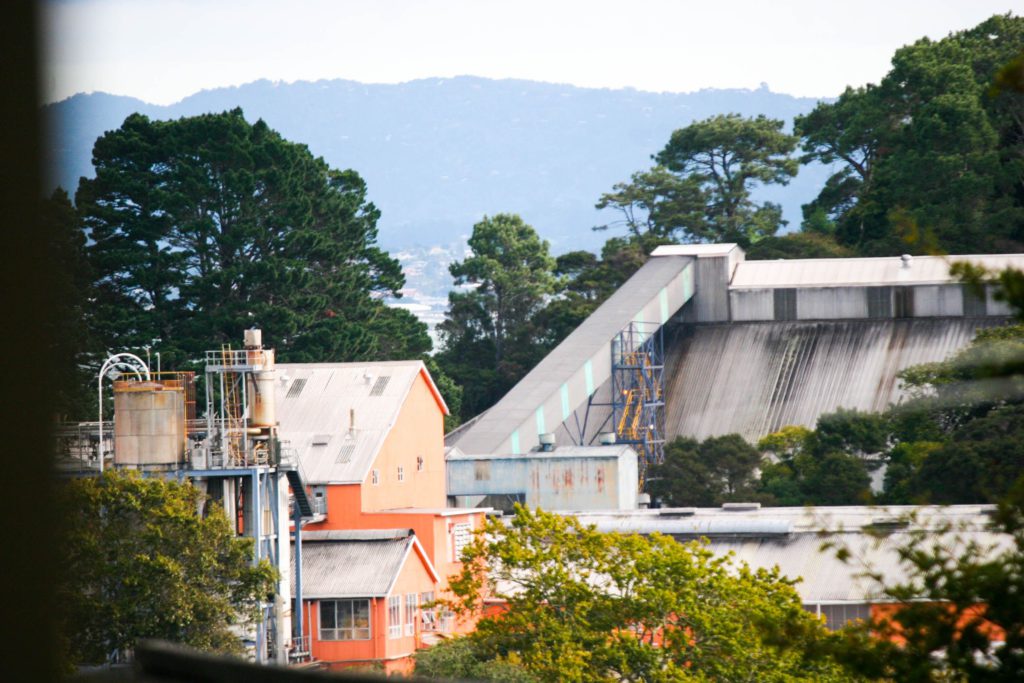
Buying industrial property can be an important decision for businesses looking to establish permanent premises or investors seeking commercial real estate opportunities. When researching industrial land for sale, buyers should consider the property’s location, zoning, infrastructure and development potential. Unlike residential property, industrial land must meet specific operational requirements, particularly when intended for manufacturing, warehousing, logistics or distribution activities.
Purchasing an existing building involves additional considerations. Buyers exploring industrial property for sale should examine the property’s layout, structural condition, access arrangements and suitability for their intended operations. Features such as warehouse clearance heights, loading docks, electrical capacity and vehicle access can significantly influence how efficiently a business operates from the premises.
Choosing the Right Industrial Location
Location plays a major role in determining the suitability and long-term value of industrial real estate.
Businesses involved in transportation and distribution often benefit from proximity to major highways, freight routes, ports and airports. Easy access to transport infrastructure can help reduce delivery times and operational costs.
Other considerations include access to employees, suppliers and nearby commercial services. Buyers should also investigate planned infrastructure developments that could affect the surrounding area.
Understanding Industrial Zoning
Before purchasing industrial land or buildings, it is essential to understand the applicable planning regulations.
Industrial zoning determines which activities may be permitted on a property. Depending on the location, different zones may accommodate warehousing, manufacturing, storage or other commercial operations.
However, zoning alone does not guarantee that every proposed activity will be approved. Certain operations may require additional planning permits, environmental assessments or compliance measures.
Buyers should confirm permitted uses with the relevant local council or planning authority.
Evaluating Building Features
Existing industrial buildings should be assessed according to their intended purpose.
Important features include:
- Warehouse height: Adequate clearance for storage racks, machinery and equipment.
- Floor capacity: Suitable flooring for heavy equipment, stock and vehicle movements.
- Loading facilities: Convenient access for trucks, deliveries and freight handling.
- Power supply: Sufficient electrical capacity for business operations.
- Office facilities: Appropriate administrative space and staff amenities.
The condition of roofing, drainage, ventilation and fire safety systems should also be examined.
Considering Land Development Potential
Vacant industrial land provides greater flexibility for businesses planning purpose-built facilities.
However, buyers must consider development costs beyond the initial purchase price. Site preparation, utility connections, drainage, access roads and construction approvals can substantially affect the total investment.
Land dimensions, topography and potential contamination should also be investigated before committing to a purchase.
Understanding Finance and Ongoing Costs
Financing industrial property can differ from obtaining a residential mortgage. Lenders may assess the property’s intended use, rental income, location and commercial viability.
Buyers should also budget for stamp duty where applicable, legal expenses, inspections, insurance, maintenance and council charges.
For investment properties, existing lease agreements and tenant obligations should be reviewed to understand potential income and expenses.
Completing Due Diligence
Thorough due diligence is essential before purchasing industrial real estate.
This may involve building inspections, title searches, environmental investigations, planning checks and reviewing existing tenancy arrangements.
Professional advice from commercial property specialists, solicitors and appropriately qualified inspectors can help identify potential risks before contracts become unconditional.
Making an Informed Purchase
Buying industrial property requires careful consideration of both immediate operational needs and long-term objectives.
A suitable property should offer the right combination of location, accessibility, building specifications and financial viability. By researching the market, reviewing planning requirements and completing appropriate due diligence, buyers can make informed decisions and reduce the risk of unexpected costs after settlement.