How to Keep Birds Out of Roofs and Gutters
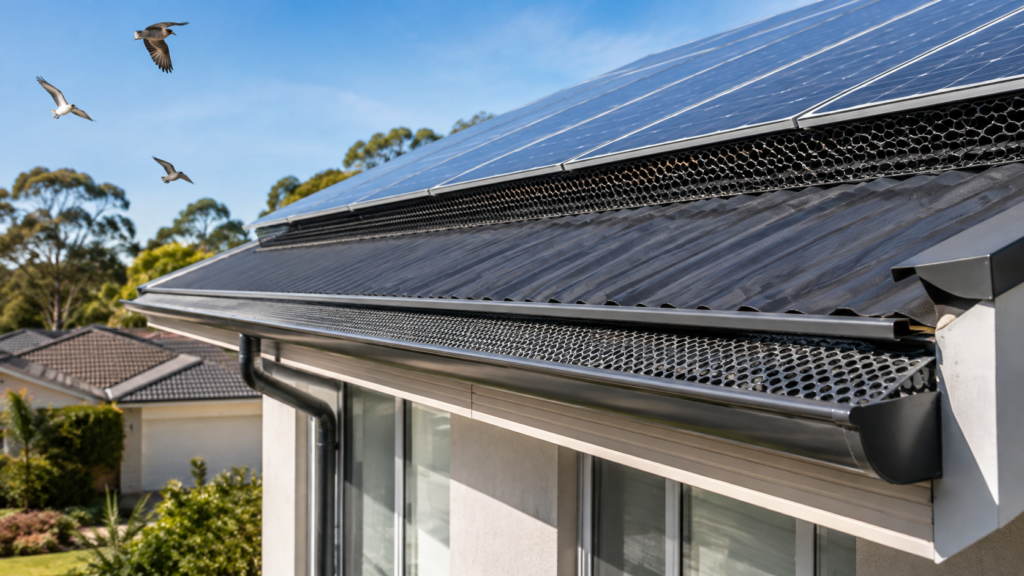
Birds often treat roof cavities, eaves and spaces beneath solar panels as ready-made shelter, which is why professional bird proofing can become an important part of protecting a home. The problem may begin quietly, with only a few feathers or twigs visible near the roofline. Properly fitted bird proofing mesh can close common entry points without trapping animals inside or interfering with ventilation. Leaves and nesting materials can also build up around downpipes and roof valleys. Where organic debris is a recurring concern, gutter leaf guards can help support clearer drainage while reducing the amount of material available for birds to use.
Bird activity around a home may initially appear harmless, but nesting can create several practical maintenance problems. Twigs, feathers and droppings may collect in drainage channels, while birds entering small roof openings can disturb insulation or damage flexible materials.
The most effective response is usually preventative. Closing access points and maintaining clear roof drainage can be less disruptive and less expensive than removing established nests or repairing damage after water has entered the building.
Recognising the Early Signs of Bird Activity
Regular observation can help property owners identify a developing problem before birds establish a permanent nesting area. Repeated movement around the same section of a roof is one of the clearest warning signs, particularly during the early morning or late afternoon.
Other signs can include:
- Twigs or grass protruding from gutters or eaves
- Droppings collecting on walls, paving or outdoor furniture
- Scratching or movement sounds inside the roof cavity
- Feathers gathering beneath solar panels
- Water spilling over the edge of gutters during rain
- Birds repeatedly carrying nesting material to the property
A single visit from a bird does not necessarily indicate a problem. Consistent activity in one location, however, may suggest that a sheltered opening has been found.
Roof valleys, broken tiles, open eaves, damaged fascia boards and gaps beneath solar panels are common areas to inspect. Safe inspection from ground level may reveal the general location, although elevated areas should be assessed by someone with suitable access equipment and experience.
Why Nesting Can Cause Property Damage
Nesting materials can restrict water movement through gutters and downpipes. When drainage is blocked, rainwater may overflow towards walls, ceilings, foundations or garden areas rather than moving safely away from the building.
During heavy Australian rainfall, even a small obstruction can contribute to localised overflow. Repeated exposure may stain exterior surfaces, damage timber sections or allow moisture to reach areas that are difficult to dry.
Bird droppings also create maintenance concerns. They can mark roofing materials, solar panels, windows and paved areas. Large accumulations may produce unpleasant odours and make outdoor areas harder to keep clean.
Inside a roof cavity, birds may disturb insulation while searching for suitable nesting space. Loose nesting material can also spread across the cavity, making future electrical, plumbing or building inspections more difficult.
The cost of addressing these issues can exceed the cost of preventing access in the first place. Removing a nest alone may not solve the problem if the original entry point remains open.
Choosing a Humane Exclusion Method
Any exclusion system should prevent access without harming birds. The installation must be secure enough to remain effective but should not contain sharp edges, loose wires or openings that could trap wildlife.
Before openings are sealed, the area must be checked carefully for active nests, eggs or young birds. Closing an occupied space can create an animal welfare issue and may leave birds trapped inside the roof.
Timing is therefore important. Where nesting activity is present, advice may be required before work begins. Different bird species may also be subject to wildlife protection requirements, so removal should not be approached as a simple pest-control task.
Once the area is confirmed as clear, barriers can be installed around likely access points. The material should suit the building and the location. Screening used near roof edges may require different fixing methods from barriers installed beneath solar panels.
A suitable system should also allow normal airflow and water movement. Covering an opening without considering ventilation or drainage can create a new maintenance problem while solving the original one.
Protecting Gutters and Downpipes
Roof drainage requires enough open space for water to move freely. Leaves, twigs and nesting material can form dense blockages that prevent rainwater from reaching downpipes.
Protective covers can reduce the volume of debris entering the system, but they should be selected according to the roof design, surrounding vegetation and expected weather conditions. A home beneath large gum trees may face different debris conditions from a property in a newer development with limited tree cover.
The installation should fit securely along the roof edge without creating gaps that birds can enter. Poorly fitted sections may lift in wind or allow debris to collect beneath the cover.
Downpipe openings and joins should also be checked. A clear gutter may still overflow when the connected pipe is obstructed further down the system.
No protective system removes the need for inspection entirely. Fine material, seeds and dust can still accumulate over time, particularly during dry periods. Scheduled checks can confirm that water continues to move correctly and that no sections have been damaged.
Maintaining Protection Over Time
Roof barriers and drainage protection should be included in routine exterior maintenance. Storms, strong winds, falling branches and building movement can loosen fittings or create new openings.
Inspections are particularly useful before periods of heavy rain and after severe weather. Property owners should look for lifted sections, corrosion, damaged tiles, loose fascia boards and visible debris.
Solar panel installations may also change the way birds use a roof. The sheltered space beneath panels can become attractive because it provides shade and protection from predators. Any barrier placed around this area should avoid contact with electrical components and should not interfere with panel performance or future servicing.
Nearby food sources may also encourage repeated activity. Open bins, pet food, fallen fruit and regularly scattered seed can attract birds to the property. Removing these sources can support the physical exclusion measures already in place.
A practical roof maintenance plan helps prevent nesting, blocked drainage, water damage and costly repairs while keeping gutters clear and easier to inspect.