How Gutter Protection Supports Long-Term Home Maintenance
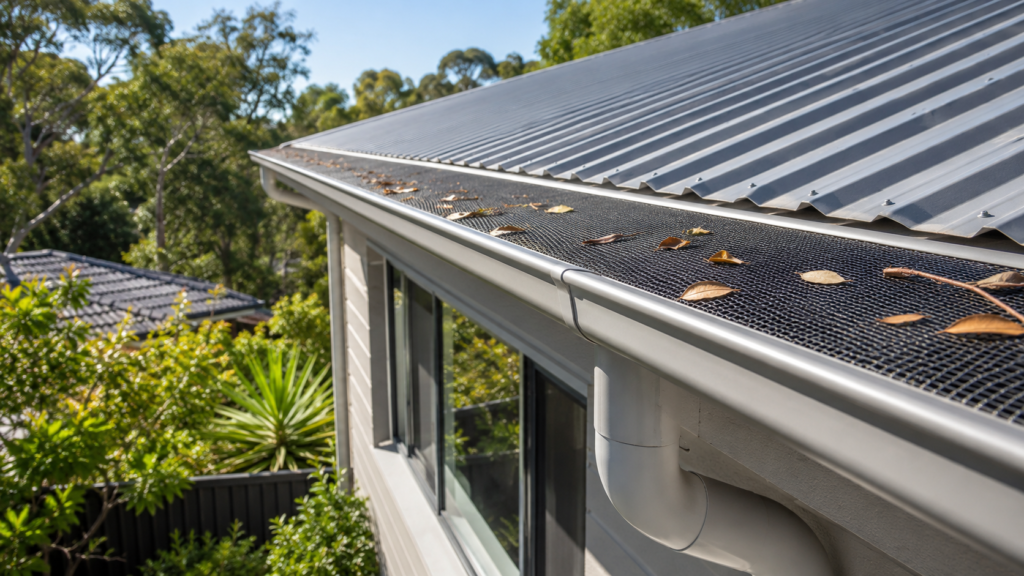
Keeping roof drainage clear is an important part of protecting a home from avoidable water damage, particularly in areas surrounded by mature trees. A well-installed leaf stopper can reduce the amount of leaves, twigs and seed pods entering the gutter system during changing seasons. For properties exposed to frequent debris, durable leaf mesh provides a physical barrier while still allowing rainwater to reach the drainage channel. The broader roof design, surrounding vegetation and local rainfall should all be considered before selecting a system. Properly fitted gutter mesh can support more reliable water flow and reduce the need for frequent manual cleaning.
Why Clear Gutters Matter
Gutters are designed to collect rainwater from the roof and direct it towards downpipes. When the system works correctly, water is moved away from walls, foundations, pathways and garden areas.
Problems begin when leaves and other materials accumulate inside the channel. Dry debris may seem harmless during calm weather, but it can quickly become heavy and compacted after rain. This buildup can slow water movement or block the gutter completely.
Once the channel is obstructed, water may spill over the edge rather than flowing towards the downpipe. Repeated overflow can stain exterior walls, damage timber fascia boards and contribute to moisture around the building. In some cases, water may also move beneath roofing materials or collect near entry points.
Regular gutter maintenance helps reduce these risks, but homes surrounded by trees may require cleaning several times a year. A fitted protection system can reduce the volume of larger debris entering the gutter and make ongoing maintenance more manageable.
How Protection Systems Work
Most gutter protection systems create a barrier across the top of the channel. Rainwater passes through the openings while leaves and larger debris remain on the surface or are carried away by wind.
The effectiveness of the system depends on several factors, including opening size, installation method and roof pitch. Openings must be large enough to handle rainfall while remaining small enough to restrict common debris.
A system that is poorly fitted may leave gaps around roof edges, valleys or corners. These spaces can allow leaves to enter and collect underneath the barrier, making future cleaning more difficult. Secure fixing is especially important in areas exposed to strong winds or storms.
The material should also be suitable for long-term external use. Continuous exposure to sunlight, moisture and temperature changes can weaken lower-quality products. Corrosion-resistant materials are generally more appropriate for roofing applications, particularly in coastal locations or humid environments.
Matching the System to the Property
Different properties face different maintenance challenges. A home beneath large gum trees may receive long leaves, bark and small branches, while another property may mainly collect fine seeds or blossom.
The roof material also affects product selection. Tiled roofs, metal roofs and complex rooflines may each require a different fixing approach. Valleys and internal corners often carry concentrated water flow, so these areas need careful attention during installation.
The gutter profile is another consideration. Some channels are deep and wide, while others are narrow or positioned close to the roof edge. The selected protection should fit the existing structure without restricting drainage.
Properties in areas with intense seasonal rainfall need systems that can handle large volumes of water. If openings are too small or the surface becomes covered with debris, water may flow across the barrier rather than entering the gutter.
A professional inspection can help identify problem areas before a system is selected. This may include checking roof condition, downpipe placement, existing blockages and nearby vegetation.
Reducing Ongoing Cleaning Requirements
No protection system completely removes the need for maintenance. Leaves may still collect on the roof or sit on top of the barrier, particularly during autumn or after storms.
However, preventing larger materials from entering the gutter can make cleaning faster and less frequent. Surface debris may be easier to remove than compacted material trapped inside a narrow channel.
Periodic inspections are still recommended. Property owners should look for visible buildup, loose sections or water spilling over the gutter during rainfall. These signs may indicate that the surface needs cleaning or that part of the installation has shifted.
Downpipes should also be checked because existing debris may remain inside them even after a new barrier is installed. Clearing the full drainage path before installation gives the system a better starting point.
Supporting Bushfire Preparation
In some parts of Australia, roof and gutter maintenance is also connected to bushfire preparation. Dry leaves and twigs can collect along roof edges and create additional combustible material around the home.
Reducing this buildup may form part of a broader property maintenance strategy. However, homeowners in bushfire-prone areas should check local building requirements and select products suited to their relevant risk level.
A gutter barrier should not be treated as a complete fire protection measure. Vegetation management, building materials, water access and emergency planning remain important parts of property preparation.
The most suitable system should support routine maintenance while meeting the practical conditions of the site.
Installation Quality Makes a Difference
Even a durable product may perform poorly if it is not installed correctly. The system needs to follow the roofline, remain secure and allow water to enter the gutter without obstruction.
Installers should pay close attention to corners, valleys, joins and downpipe entrances. These sections are more likely to experience concentrated debris or water flow.
Roof work also involves safety risks. Steep surfaces, fragile materials and wet conditions can make installation dangerous without suitable equipment and experience. Professional installation can reduce these risks and help protect existing roofing components.
A careful installation should produce a neat finish that does not interfere with roof drainage, tiles, flashing or other building elements.
A Practical Part of Roof Care
Gutter protection can be a useful investment for properties affected by regular leaf buildup. It can support water movement, reduce difficult cleaning and help protect the roofline from ongoing moisture problems.
The best results come from selecting a system based on the property rather than choosing a standard option without inspection. Roof design, vegetation, rainfall and gutter condition should all guide the decision.
When combined with periodic checks and responsible roof maintenance, a suitable protection system can help keep drainage working more reliably throughout the year.